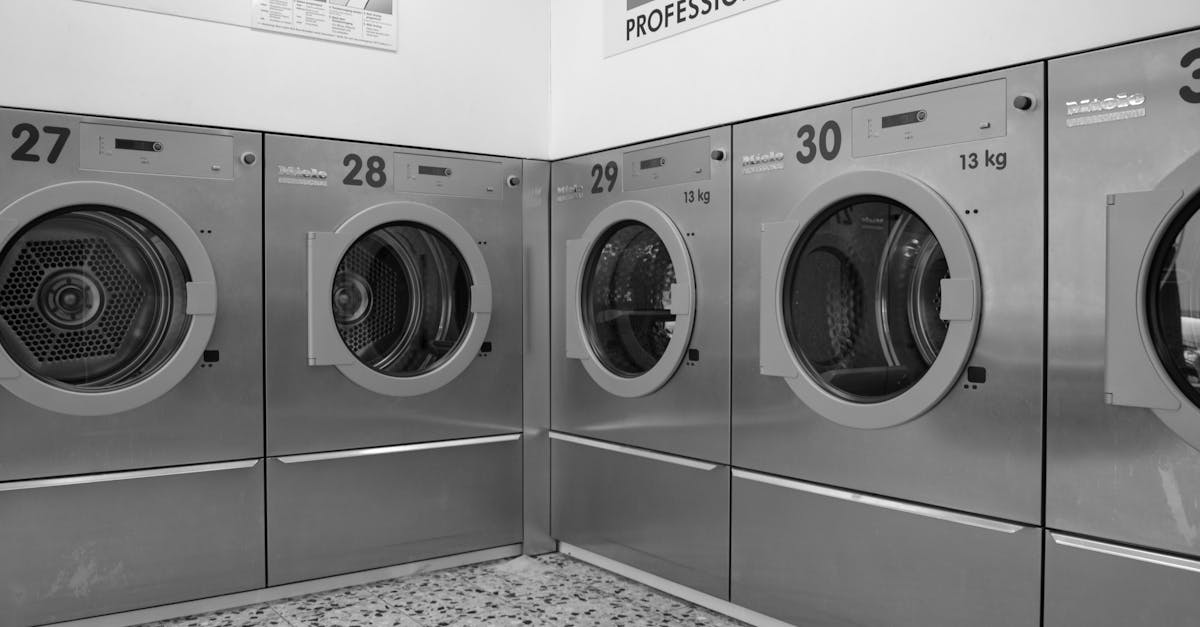
How to Manage Washing Machine Vibration Issues
Table Of Contents
Using Vibration Pads
Vibration pads offer a simple yet effective solution for reducing washing machine vibrations. These pads are typically made from rubber or other shock-absorbing materials that can easily fit under the machine's feet. By creating a barrier between the appliance and the floor, they help to absorb and dampen movements, thus preventing excessive shaking and noise during operation. Installation is usually straightforward, requiring minimal tools and effort.
In addition to minimising vibrations, these pads can protect your flooring from potential damage. Over time, constant vibrations can lead to scratches or dents on various types of flooring, including hardwood and tiles. Using vibration pads not only extends the life of your machine but also helps maintain the integrity of your floors. Often, these accessories can be purchased online or at local hardware stores, making them a convenient upgrade for anyone experiencing washing machine instability.
Benefits of Anti-Vibration Pads
Anti-vibration pads are designed to reduce the movement of washing machines during operation. These pads absorb and dampen vibrations that would otherwise transfer to the floor and surrounding surfaces. They not only help decrease the noise generated during the spin cycle but also extend the lifespan of the appliance by minimising stress on internal components.
Another significant advantage is their contribution to stability. Anti-vibration pads often enhance the levelness of a washing machine, providing a solid base that can prevent rocking or sliding. This stability is particularly beneficial for households with hard floors, where excess vibrations can cause scratches or damage. Overall, incorporating these pads can lead to a quieter and more efficient laundry experience.
Exploring Noise Reduction Solutions
Homeowners often seek various solutions to minimise washing machine noise. Soundproofing the laundry area can significantly reduce the sound levels during operation. This can involve installing acoustic foam panels on walls or ceilings, which absorb sound waves effectively. Additionally, enclosing the machine within a cabinet designed for sound insulation may help muffle the noise while also providing a neat appearance.
Rubber mats serve as another useful addition for noise reduction. Placing a sturdy rubber mat under the washing machine diminishes vibrations and noise transfer to the floor. In some instances, it might be beneficial to consider modified floor mounts or adjustable feet to level the appliance, ensuring it sits evenly. This not only enhances stability but also curtails the potential for excessive noise from vibration against the floor.
Additional Accessories for Quieter Operation
A variety of accessories can significantly contribute to a quieter washing machine operation. Rubber mats are popular options, as they provide a cushion between the machine and floor, absorbing some of the vibrations generated during cycles. Additionally, using a washing machine cover can help reduce noise. These covers are often designed to fit snugly over the appliance, muffling sound while also protecting the machine from dust and debris.
Another effective accessory is soundproofing foam, which can be placed around the machine to minimise noise transmission. This foam is typically lightweight and easy to install, making it a practical choice for homeowners seeking to decrease the overall sound levels in their laundry areas. Moreover, stabilising brackets can help secure the washing machine more firmly in place, preventing any unwanted movement that may lead to increased noise during operation.
When to Seek Professional Help
It can be frustrating to deal with a washing machine that vibrates excessively or produces unusual noises. In many cases, basic adjustments or the addition of anti-vibration pads can resolve minor issues. However, there are situations where the problem may be more complex and beyond simple fixes. If the vibrations persist even after trying these options, it may indicate a deeper mechanical issue that warrants professional attention.
Look out for specific signs that can indicate a need for expert help. Unusual sounds such as grinding, clanking, or a burning smell can signal potential mechanical failures. Additionally, water leaks around the machine or a drum that does not spin correctly may require immediate attention from a qualified technician. Addressing these issues promptly can help prevent further damage to your appliance and ensure its efficient operation.
Signs That Indicate Mechanical Issues
Unusual sounds emanating from the washing machine can signal a mechanical problem. A persistent grinding or thumping noise, particularly during the spin cycle, may indicate issues with the drum or motor. If the machine shakes significantly, it could point to an unbalanced load or a more profound issue with the internal components. It is important to pay attention to these auditory cues, as they suggest something may not be functioning as it should.
Another indication of underlying problems is water leakage around the machine. Puddles or damp areas near the washing machine can arise from worn seals or damaged hoses. Continuing to operate a machine exhibiting these symptoms may lead to further damage or prolonged inconvenience. Regularly checking for any leaks and monitoring the overall performance can help diagnose potential mechanical failures before they escalate.
FAQS
What are vibration pads and how do they help with washing machine issues?
Vibration pads are specially designed cushioning materials placed under the washing machine's feet to absorb vibrations and reduce noise during operation. They help stabilise the machine, preventing it from moving and causing disturbances.
Can using anti-vibration pads damage my washing machine?
No, using anti-vibration pads is safe and should not damage your washing machine. In fact, they can help prolong the life of your appliance by reducing the wear and tear caused by excessive vibrations.
What other noise reduction solutions can I consider for my washing machine?
Besides vibration pads, you can explore soundproof mats, installing your washing machine on a solid surface, or using a washing machine cover to help minimise noise during operation.
How do I know if my washing machine needs professional help?
If you notice excessive shaking, unusual noises, or persistent vibrations even after using vibration pads and other solutions, it may be a sign of underlying mechanical issues. In such cases, seeking professional assistance is advisable.
What are some common signs that indicate mechanical issues with my washing machine?
Common signs include loud banging or clunking noises, excessive vibrations that cause the machine to move from its position, leaks, or if the drum is not spinning properly. If you observe any of these issues, it may be time to consult a professional.
Related Links
Recommended Cleaning Agents for Maintaining Washing MachinesHow to Properly Clean Your Washing Machine for Optimal Performance
Seasonal Maintenance Checklist for Your Washing Machine
Best Practices for Storing Your Washing Machine During Off-Season
Preventative Measures to Avoid Blocked Drains in Your Washer
The Importance of Regularly Inspecting Hoses and Connections
Understanding Detergent Dosage: Balancing Efficiency and Care
Tips for Preventing Overloading and Its Impact on Your Washer
Essential Practices to Extend the Lifespan of Your Washing Machine