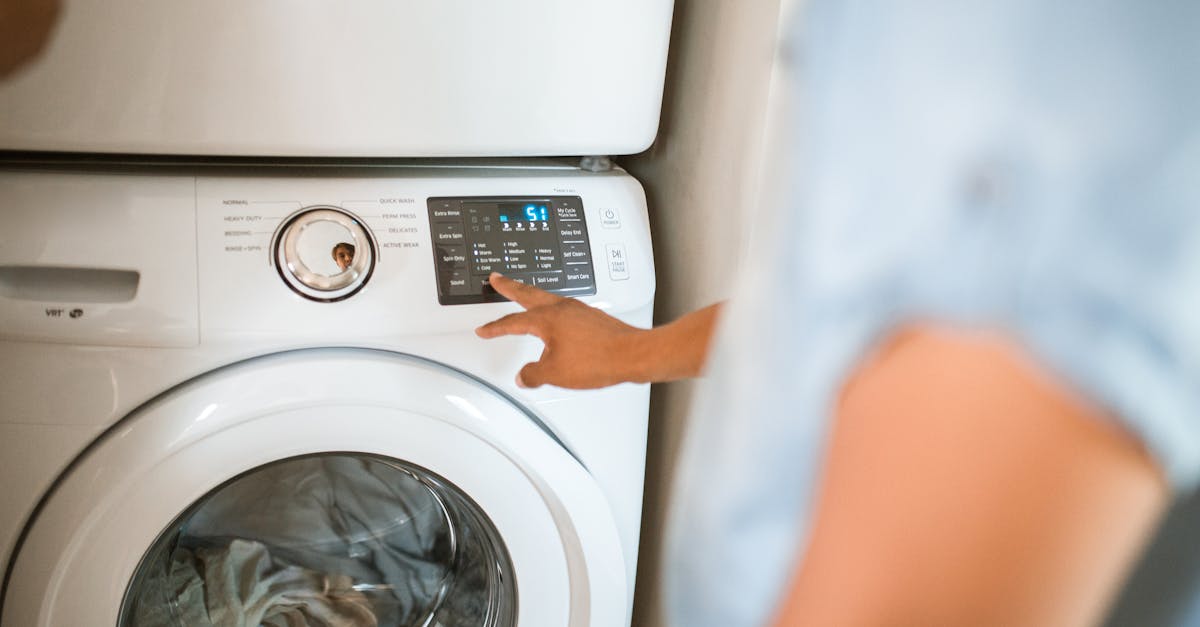
Identifying and Fixing Bosch Washing Machine Fault Codes
Table Of Contents
Drainage and Pump Faults
A washing machine that fails to drain water properly can indicate several potential issues. Common causes may include clogs in the pump filter or improper installation of the drainage hose. Debris can build up over time, blocking the flow of water. Regular maintenance, such as cleaning the filter, is essential to prevent these drainage problems and ensure optimal machine performance.
In some cases, the pump itself may be malfunctioning. A faulty pump can lead to water remaining in the drum after a wash cycle. Listening for unusual noises during operation can help pinpoint issues. If the pump appears to be the problem, testing it with a multimeter can ascertain whether it is receiving power. Addressing these faults promptly will help extend the life of the appliance and maintain its efficiency.
Fixing Drainage Problems
When dealing with drainage issues in Bosch washing machines, the first step involves checking the drain hose. Ensure that it is free from kinks or blockages that could impede water flow. A clogged hose can cause water to back up into the drum or prevent proper drainage altogether. Remove any visible debris and straighten the hose if it appears bent. It is also wise to inspect the height of the hose; it should be positioned correctly to allow efficient drainage.
Another common culprit for drainage problems is the pump filter. This component can become obstructed by lint, coins, or small items that may have slipped unnoticed into the drum. To access the filter, typically located at the front of the machine, reach behind the flap and unscrew it to clean out any accumulated debris. This not only improves drainage but can also enhance the overall efficiency of your washing machine. Regularly maintaining both the drain hose and pump filter can help prevent future issues and prolong the life of the appliance.
Door Lock and Safety Mechanisms
Bosch washing machines are equipped with advanced door lock systems to ensure safe operation during the wash cycle. When these mechanisms malfunction, it can result in error codes, preventing the machine from starting or completing its cycle. Common symptoms of door lock issues include the inability to close the door securely or the machine pausing mid-cycle, indicating a need to investigate the locking assembly and associated wiring.
To address door lock errors, begin by inspecting the door latch and hinge for any visible damage or obstruction. Ensure that the door is aligned properly when closed, as misalignment can impact the locking mechanism. If the door closes securely, check the wiring connections to the door lock. A broken or loose wire can cause an interruption in the locking process. In some cases, replacing the door lock assembly itself may be necessary to restore normal functionality.
Examining Door Lock Errors
Door lock errors in Bosch washing machines often indicate an issue with the locking mechanism or the related electrical components. Users may notice that the door fails to open or close properly, sometimes accompanied by error codes displayed on the machine's control panel. It is essential to check whether the door is obstructed or if there are any visible signs of damage that could prevent proper locking. Additionally, ensuring the latch or locking mechanism is free of dirt and debris can help facilitate smooth operation.
Investigating the door lock system also involves examining the wiring and connections related to the lock. Damaged wires or loose connections could interrupt the power supply needed for the lock to function correctly. In some cases, a malfunctioning door lock sensor may cause the unit to believe that the door is not secure, prompting an error. Testing the components for continuity with a multimeter can identify potential faults, allowing for timely repairs and restoring normal operation.
Motor and Drive System Errors
Motor and drive system errors in Bosch washing machines can manifest through various symptoms, including unusual noises during operation or failure to spin and wash correctly. A common issue is a malfunctioning motor control board, which regulates the motor’s power and speed. Signs such as an unresponsive motor or erratic movements may indicate a need for inspection or replacement of this component. Additionally, issues with the drive belt can lead to disruptive performance, requiring careful assessment and potential adjustment.
Diagnosing motor functionality often involves checking the connections and inspecting wiring for signs of wear or damage. It is also essential to evaluate the motor itself for any physical blockages or obstructions. In some cases, the motor may simply require lubrication or cleaning, addressing performance issues without needing extensive repairs. Each problem holds the potential for varied solutions, emphasising the need for a thorough investigation to restore the appliance's efficiency.
Diagnosing Motor Functionality
For a Bosch washing machine, identifying motor issues often begins with a thorough inspection of the motor itself. Users should listen for unusual noises during operation, as grinding or humming sounds can indicate problems. Additionally, checking for any visible signs of wear or damage on the motor and its connections is essential. A multimeter can be a useful tool here, as it allows users to test for continuity in the motor windings and to ensure that the electrical supply is functioning correctly.
Fault codes displayed on the control panel may provide specific clues related to motor functionality. Each code relates to a different aspect of the motor system, such as the drive belt or drive motor, and can guide troubleshooting efforts. If the fault codes suggest a motor malfunction, comprehensive testing of the motor's components is necessary. This includes assessing the drive belt for tension and integrity and ensuring the motor brushes are not worn down.
FAQS
What are common fault codes for Bosch washing machines?
Common fault codes include E01, E02, E03, and E04, which typically indicate issues related to drainage, door locks, and motor functionality.
How can I troubleshoot drainage problems in my Bosch washing machine?
Start by checking the drain hose for kinks, ensure the pump filter is clean, and verify that the drainage system is not blocked. If problems persist, consult the manual for specific fault codes.
What should I do if the door lock error persists?
If you encounter a door lock error, inspect the door latch for damage, ensure it closes properly, and check for any obstructions. If the issue continues, the door lock mechanism may need replacing.
How can I diagnose motor functionality issues in my Bosch washing machine?
To diagnose motor issues, listen for unusual noises during operation, check for error codes related to the motor, and inspect the wiring and connections for any visible damage.
Are Bosch washing machines covered under warranty for fault code issues?
Warranty coverage for fault code issues depends on the specific terms of your Bosch washing machine’s warranty. It’s best to refer to your warranty documentation or contact Bosch customer service for detailed information.
Related Links
Essential Steps to Tackle Error Codes on Front-Load WashersSamsung Washer Error Code Troubleshooting
Whirlpool Washing Machine Error Codes Explained
Resolving F21 and F22 Error Code Issues in Washers
Quick Fixes for Frequent Washing Machine Error Codes
Decoding LG Washing Machine Error Codes Effectively