Steps to Troubleshoot Drum Not Spinning Problems
Table Of Contents
Review the Load Balance
A well-balanced load is crucial for the proper functioning of your washing machine's drum. Overloading the machine or distributing the items unevenly can lead to significant strain on the motor and other components. If the clothes are clumped together on one side, the drum may struggle to rotate, resulting in potential damage or malfunction. It is important to ensure that the load is mixed evenly with heavier and lighter items to facilitate smoother operation.
To resolve any issues related to load balance, begin by carefully removing some items if the drum appears overcrowded. Consider redistributing the remaining laundry so that it is evenly spread around the drum. This adjustment often requires a bit of manual effort, but it can significantly improve the machine's performance. After making these changes, run a short cycle to check if the drum now spins correctly. If the problem persists, further investigation may be necessary.
Redistribute the Laundry
A significant factor contributing to a drum not spinning properly can be an uneven load. When laundry is stacked on one side, the washing machine's control system detects an imbalance. This triggers a safety mechanism that prevents the drum from rotating to avoid potential damage to the machine.
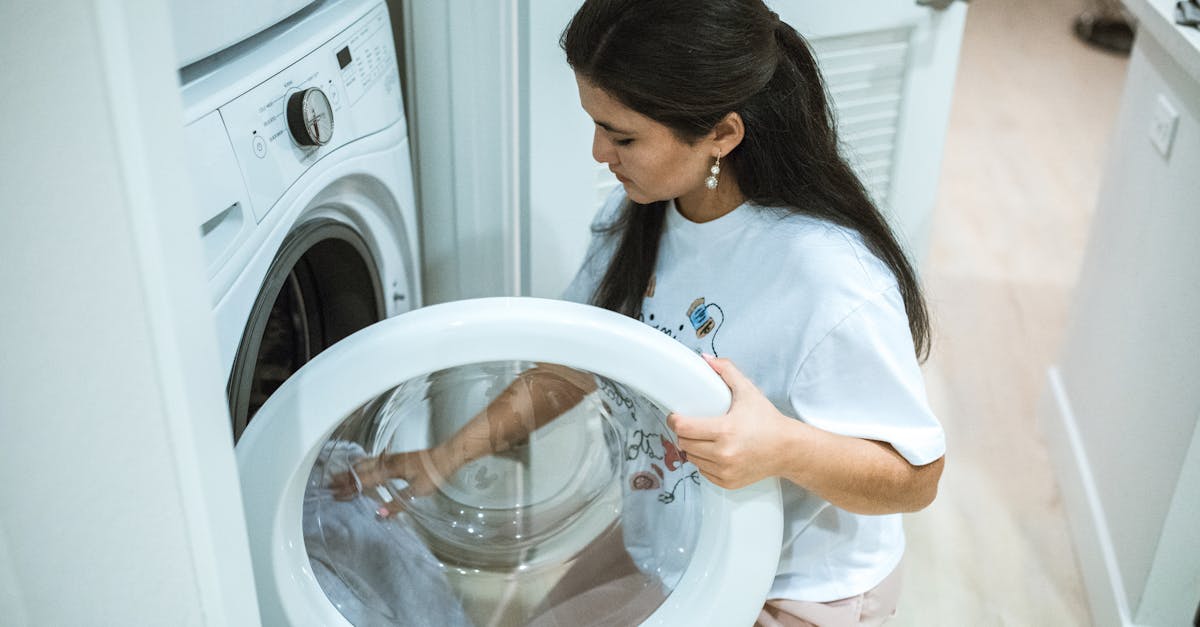
Begin by opening the door and inspecting the load inside. If items are bunched together, separate them, spreading the weight evenly throughout the drum. This can involve redistributing heavier items with lighter ones or removing a few pieces altogether to create a more balanced load. Once the laundry is evenly distributed, close the door and try running the spin cycle again.
Inspect the Drive Pulley
A thorough inspection of the drive pulley is essential when diagnosing spinning issues with the drum. This component plays a pivotal role in transferring power from the motor to the drum itself. Look for signs of wear and tear, particularly cracks or fraying in the pulley material, which can significantly impede functionality. Also, check for any misalignment. Even a slight displacement can result in inefficient operation, preventing the drum from reaching the necessary speed.
When examining the drive pulley, consider how it interacts with the drive belt. If the belt appears loose or damaged, it may be time for a replacement. Ensure that the pulley rotates freely without any obstructions. Any debris or foreign objects lodged around the pulley can hinder movement, so it’s prudent to keep this area clean. A functioning drive pulley should contribute to smooth rotation, which is vital for optimal performance of the washing machine.
Examine for Damage or Misalignment
A thorough inspection of the drive pulley is essential when troubleshooting drum spin issues in your washing machine. Look for signs of wear, such as cracks or fraying, which can impede the pulley’s function. Misalignment can also occur from normal use or a previous repair, causing the belt to slip off or the drum to fail to turn. Ensuring that the pulley is properly aligned with the motor will help maintain consistent performance and prevent further damage.
While examining the pulley, assess the overall assembly for any loose components. Fasteners should be tightly secured. If any parts are damaged, replacement may be necessary to restore functionality. Addressing these issues promptly can save on more extensive repairs down the line and ensure the washing machine operates smoothly.
Clean the Filter
A clogged filter can hinder the efficiency of a washing machine, leading to problems such as the drum not spinning. To address this issue, locate the filter, typically found at the front or back of the machine. Carefully unscrew or unclip the filter cover. Make sure to have a towel or shallow container to catch any residual water that may spill out during the process.
Once the filter is accessible, remove it and inspect it for lint, hair or any other debris. Rinse the filter under running water to cleanse it of any blockages and ensure it is free of grime. After cleaning, reinsert the filter securely and close the cover firmly. Regular maintenance of the filter helps maintain optimal machine performance and can prevent future spinning issues.
Remove Any Blockages
Maintaining clear pathways within the washing machine is crucial for optimal performance. Blockages in hoses or filters can lead to inadequate drainage or prevent the drum from spinning properly. It is advisable to inspect the drain pump filter and any associated hoses for lint, coins, or other debris. Regular cleaning of these components can prevent minor issues from escalating.
If blockages are found, it's best to remove them promptly. Disconnect the machine from the power source before starting any cleaning procedures to ensure safety. For stubborn debris, a gentle brush or cloth may help dislodge the material without causing damage. Once cleaned, reassemble the components and run a test cycle to confirm that the drum spins as it should. Regular maintenance helps prolong the life of the appliance and maintains its efficiency.
FAQS
What should I check first if my washing machine drum isn’t spinning?
The first step is to review the load balance. Ensure that the laundry is evenly distributed within the drum, as an unbalanced load can prevent proper spinning.
How can I redistribute the laundry if it’s unbalanced?
You can redistribute the laundry by removing some items and rearranging the rest evenly around the drum. Try to mix heavier items with lighter ones to achieve balance.
What does the drive pulley do in a washing machine?
The drive pulley is responsible for rotating the drum during the wash and spin cycles. If it’s damaged or misaligned, it can prevent the drum from spinning properly.
How can I inspect the drive pulley for damage?
To inspect the drive pulley, you’ll need to disconnect the washing machine from power, remove the back panel, and visually check the pulley for any signs of wear, cracks, or misalignment.
What can I do if there are blockages in the filter?
If you suspect blockages, you should locate the filter, typically situated at the front or bottom of the machine. Carefully remove it and clean out any lint, debris, or obstructions that could be affecting the drum's operation.
Related Links
How to Diagnose Water Leakage Issues in WashersIdentifying Common Error Codes in Washing Machines
How to Fix Power Supply Issues with Washers
Troubleshooting Overheating Issues in Washing Machines
Effective Methods for Diagnosing Cycle Misbehavior